
The Dewdrop is a digest of reflective and thoughtful writing, loosely based on spiritual themes. Our content includes poetry and essays that draw on classic texts as well as the insight and brilliance of contemporary writers. Grounded in Zen Buddhism, this spiritually-focused platform is interested in every faith background as well as writers who don't identify with any formal faith tradition. Humanists, agnostics, scientists, atheists and Jedis are most warmly welcome, as we are always on the lookout for fresh talent.
Note that our poetry submissions open and close on a weekly basis, usually from Monday morning to Sunday evening. If you are trying to submit and the submissions appear to be closed, do try again in a few days.
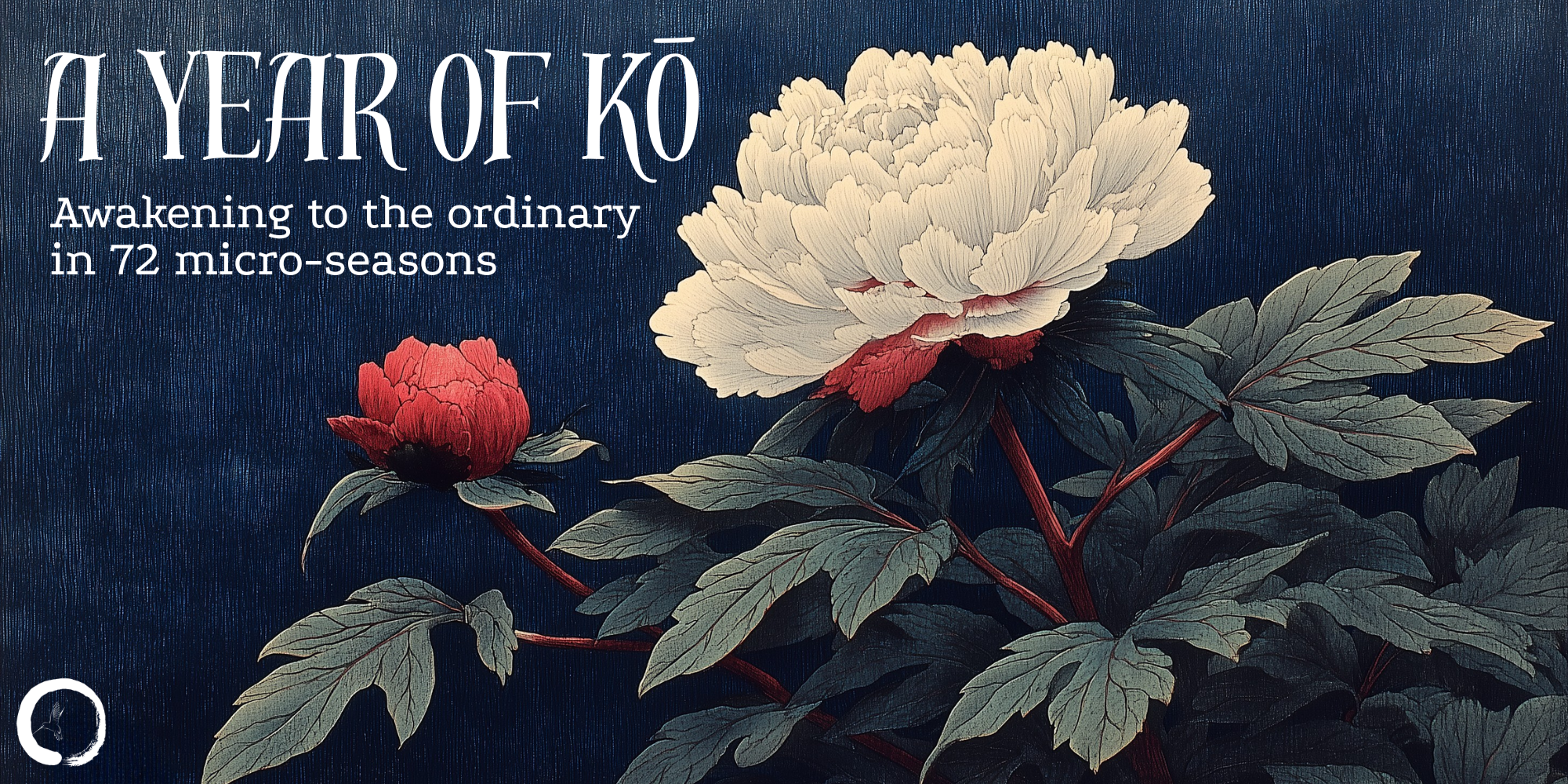
A Year of Kō
We are expanding our haiku offering with the introduction of Slow Kō: a ginkō (haiku walk) with the Japanese 72 Micro-Seasons known as Kō. We are honoring the birthplace of haiku and highlighting kō in 2026 as an opportunity to both deepen and expand our practice of haiku by following the ancient Japanese Traditional Calendar, Schichijūni-kō.
In the spirit of our guiding haiku principles of impermanence, seasonal awareness, and the present-moment, this offering of the 72 micro-seasons kō ‘guide phrases’ (listed in the calendar at the bottom of the page) can serve as a tuning fork, helping us align even more intimately with the micro-rhythms of the natural world.
What is Kō?
A key tenet in The Dewdrop’s weekly haiku guidelines until now has been the seasonal words and phrases that are central to our haiku ethos. But when we slow life down another beat, take even a closer look, and listen more acutely, we can experience the small, vivid wonders and rhythms of the natural world another way. This is through the lens of the ancient Japanese 72 micro-seasons almanac and calendar that embody a deeper quality of mindfulness and a more expansive openness to a natural way of being interconnected with nature and with others. The micro-seasons are like micro-nutrients for our imagination.
The 72 micro-seasons, simply and succinctly referred to as kō, come from the ancient Chinese lunisolar calendar, which was originally made up of 24 sekki (approximately 15 days each), and then further reconfigured to reflect the Japanese natural world and seasons by dividing the 24 sekki into kō (approximately 5-day segments, or pentads), thus creating the 72 micro-seasons.
In 1685, the Japanese astronomer Shibukawa adapted the calendar to the weather patterns and climate more closely associated with Japan, into the Japanese Traditional Calendar/Almanac, Schichijūni-kō. The calendar served as the official calendar for Japan until 1873, when it was switched out in an effort to ‘modernize’ Japanese society in line with the Western world, and became the Gregorian calendar.
However, artists, poets, farmers, fishermen, and eco-conscious individuals and groups continued to ascribe to it. Today, there is a significant renaissance in kō across the world, influencing arts and culture. The inherent wisdom of slowing down, paying attention, recognizing our interdependence with nature, and cultivating a deepened sense of present-moment awareness are qualities that are embedded in the calendar.
The haiku poet and editor, Betty Drevniok, in her publication, Aware – a haiku primer, quotes W.J. Higginson, saying that the English word aware, “by coincidence, is the transliteration of the Japanese word aware (pronounced aw-wa-ray) for ‘touchiness’ in the phrase mono no aware – the touchiness of things. The poet who knows mono no aware does not have to go about seeking, touching things—they touch us.” This wistful appreciation for the transient nature found in all things (impermanence), or mono no aware, captures the very essence and ethos of kō haiku.
The kō calendar invites us to deepen our art of mindfulness and haiku, as well as our relationship with the natural world. Kō helps create the conditions to welcome impermanence in the beauty of each moment, while in harmony with nature. As we walk together with the ancient poets such as Bashō, Chiyo-ne, Issa, Busan, Shiki, and many others who utilized the calendar for inspiration, we will awaken to the subtleness that is found in nature, the inherent wisdom in the everyday-ness of things, and experience the extraordinary in the ordinary. Kō inspired haiku!
Scroll to the bottom of this page to see The Dewdrop’s 2026-27 Kō Calendar. Click here to read Trent Tankyo Thomson’s review of Emi H. Takahashi’s book, Seasonal Japan: The 72 Micro-seasons and Their Hidden Meanings.
Submitting your Kō Haiku
We invite haiku poets to incorporate the kō phrases for the micro-season as prompts or inspirations into their haiku submissions.Please refer to our kō calendar, (below) which can serve as a guide for haiku poets to read, ruminate, reflect, and then write their own response in sync with the appropriate kō micro-season and publishing time frames.
How to Submit
Submissions will begin February 4th, 2026, which coincides with the start of the Japanese year on February 4th and “the beginning of early spring”. This is a celebratory day in Japan known as Risshun.
Accepted haiku will be published bi-weekly thereafter, with the appropriate kō micro-season coinciding with each specific sekki (15-day period). Please refer to our calendar at the bottom of the page for the current sekki. You can submit up to 3 haiku at a time.
Note – our Kō Calendar reflects the seasons as they manifest in Japan, and won’t be relevant to all climates in the northern hemisphere. For poets from all parts of the world wishing to participate in The Dewdrop’s Year of Kō, please feel free to use the 72 kō as a trellis, or touchstone, for the art and practice of mindfulness-based haiku. We urge you to lean into the experience of kō in the context of your own surroundings and climate.
We look forward to sharing in this slow kō haiku journey with you!
Submission Guidance:
● 17 syllables maximum
● Free verse or 5-7-5 form is accepted
● Up to 3 Individual poems per submission
● Please do not number or title haiku
● We accept simultaneous submissions, but please do let us know if your work has been accepted elsewhere.
● Although we cannot currently pay for published work, we are grateful that you shared your haiku with us.
*Please include with EACH submission, your name exactly as you wish it to appear, and your LOCATION.
Essential Qualities: (What we value in a haiku)
● Does it inherently create the universality of our experience?
● What does it say without telling (intuitive presentation without explanation)?
● Different insights and feelings when re-read and reflected upon?
● Succinct observation, experience, and an expression of the experience?
● Proper and creatively chosen Kigo (seasonal word)?
● Does it have a lyrical rhythm and cadence?
● Does it express seeing the ordinary in the present moment (kensho)?
● Is the use of a Kireji (cutting word) utilized to divide the poem into two parts?
● Does Impermanence resonate?
Our dewdrops Kō calendar 2026-2027 (Based on traditional Japanese almanac)
*(Spring - Haru) 1. Sekki: Beginning of Spring (Feb. 4-18 - 'Risshun’ celebration day: Feb. 4) / east wind melts the ice (Feb. 4-7) / bush warblers start singing (Feb. 9-13) / fish emerge from the ice (Feb. 14-18)
2. Sekki: Rainwater (Feb. 19- March 5 – ‘Usui’) / rain softens the soil (Feb. 19-23) / mist lingers in the morning (Feb. 24-28) / green grass grows, trees are budding (March 1-5)
3. Sekki: Insects Awaken (March 6-20– ‘Keichitsu’) / awakening of insects (March 6-10) / first peach blossoms (March 11-15) / caterpillars / butterflies (March 16-20)
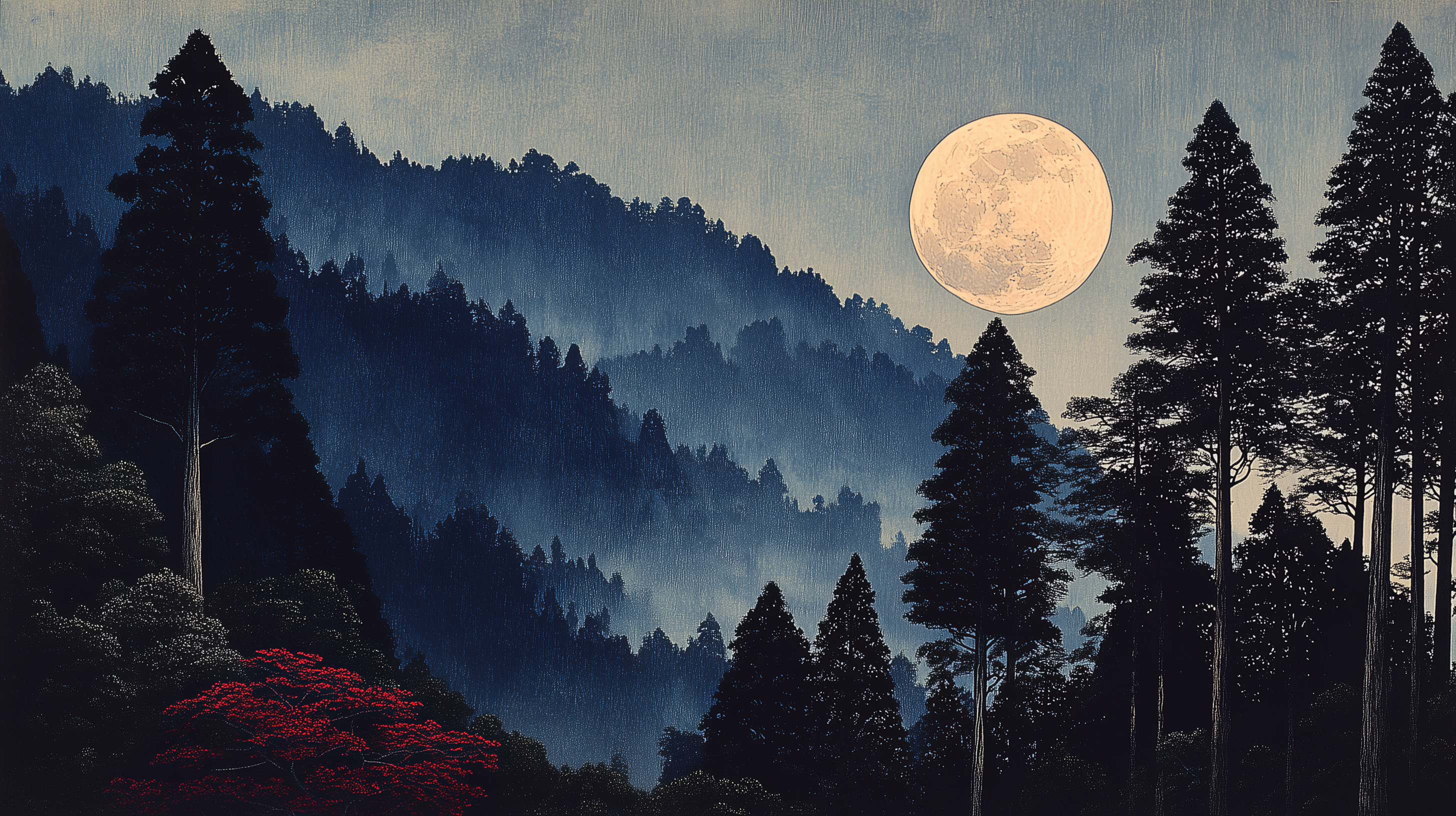
4. Sekki: Spring Equinox (March 21-April 4 – ‘Shunbun’) / sparrows start building their nest (March 21-25) / first cherry blossoms (March 26-30) / distant thunder rumbles (March 31-April 4)
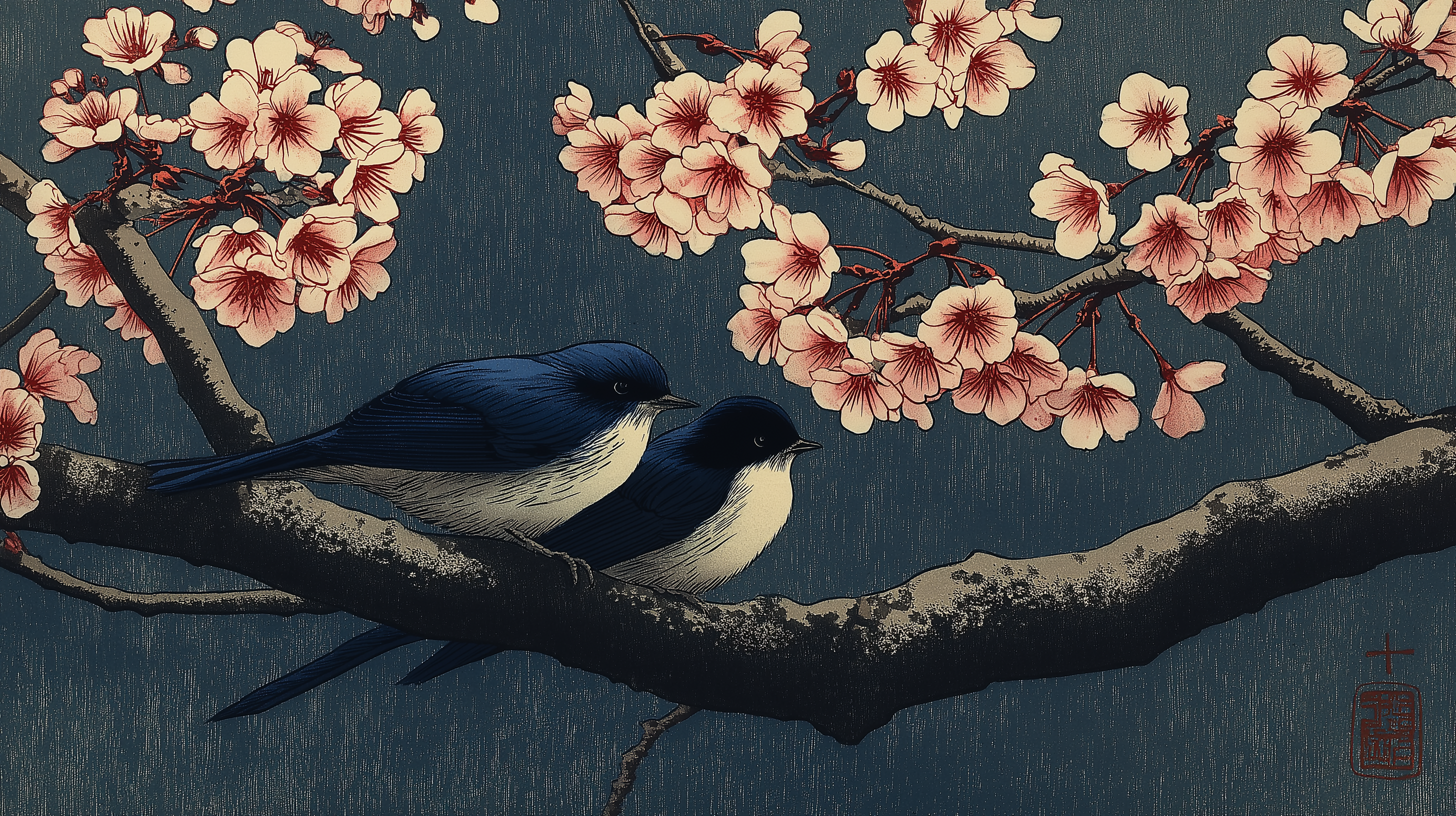
5. Sekki: Pure and Clear (April 5-19 – ‘Seimei’ ) / swallows return (April 5-9) / wild geese fly north (April 10-14) / first rainbows appear (April 15-19)
6. Sekki: Grain Rains (April 20-May 4 – ‘Kokuu’ ) / reeds start to emerge (April 20-24) / last frost, and rice sprouts growing (April 25-29) / peonies blossom (April 30-May 4)
*(Summer - Natsu) 7. Sekki: Beginning of Summer (May 5-20 – ‘Rikka’) / frogs start croaking (May 5-9) / worms begin to surface (May 10-14) / bamboo shoots sprouting (May 15-20)
8. Sekki: Lesser Ripening (May 21-June 5 – ‘Shōman’) / silkworms feast on mulberry leaves (May 21-25) / safflowers blooming (May 26-30) / wheat is harvested (May 31-June 5)
9. Sekki: Grain Beard and Seeds (June 6-20 – ‘Bōshu’) / praying mantis appears (June 6-10) / fireflies leave withered grass (June 11-15) / plums ripen and turn yellow (June 16-20)
10. Sekki: Summer Solstice (June 21-July 6– ‘Geshi’) / self-heal flowers wilt (June 21-26) / irises blooming (June 27-July 1) / crow-dippers sprouting (July 2-6)
11. Sekki: Lesser Heat (July 7-22 – ‘Shōsho’) / warm breeze blows (July 7-11) / lotus begins to blossom (July 12-16) / young hawks learn to fly (July 17-22)
12. Sekki: Greater Heat (July 23-August 7 – ‘Taisho’ ) / paulownia fruiting (July 23-28) / earth and air damp and humid (July 29-Aug. 2) / heavy rains may fall (Aug. 3-7)
*(Autumn - Aki) 13. SekkI: Beginning of Autumn (Aug. 8-22 – ‘Risshū’ ) / cool winds blow (Aug. 8-12) / evening cicadas sing (Aug. 13-17) / thick fog descends (Aug. 18-22)
14. Sekki: Manageable Heat (Aug. 23-Sept. 7 – ‘Shosho’ ) / cotton flowers bloom (Aug. 23-27) heat recedes at last (Aug. 28-Sept. 1) rice has ripened (Sept. 2-7)
15. Sekki: White Dew (Sept. 8-22 – ‘Hakuro’) / grass shining with white dewdrops (Sept. 8-12) / wagtails start singing (Sept. 13-17) / swallows fly south (Sept. 18-22)
16. Sekki: Autumn Equinox (Sept. 23-Oct.7 – ‘Shūbun’ / thunder stops rumbling (Sept. 23-27) / insects hibernate (Sept. 28-Oct.2) / water is drained off the fields (Oct. 3-7)
17. Sekki: Cold Dew (Oct. 8-22 – ‘Kanro’ ) / wild geese return (Oct. 8-12) / chrysanthemums bloom (Oct. 13-17) / crickets chirping at the door (Oct. 18-22)
18. Sekki: Frost Falls (Oct. 23-Nov. 6 – ‘Sōkō’ ) / first frost (Oct. 23-27) / short rainfalls occur (Oct. 28-Nov. 1) / red maple trees and grapevines (Nov. 2-6)
*(Winter - Fuyu) 19. Sekki: Beginning of Winter (Nov. 7-21 – ‘Rittō’ ) / camellias bloom (Nov. 7-11) / the ground starts to frost (Nov. 12-16) / daffodils bloom (Nov. 17-21)
20. Sekki: Lesser Snow (Nov. 22-Dec. 6 – ‘Shōsetsu’ ) / rainbows disappear (Nov. 22-26) / north wind blows leaves from the trees (Nov. 27-Dec.1) / tachibana leaves turn yellow (Dec. 2-6)
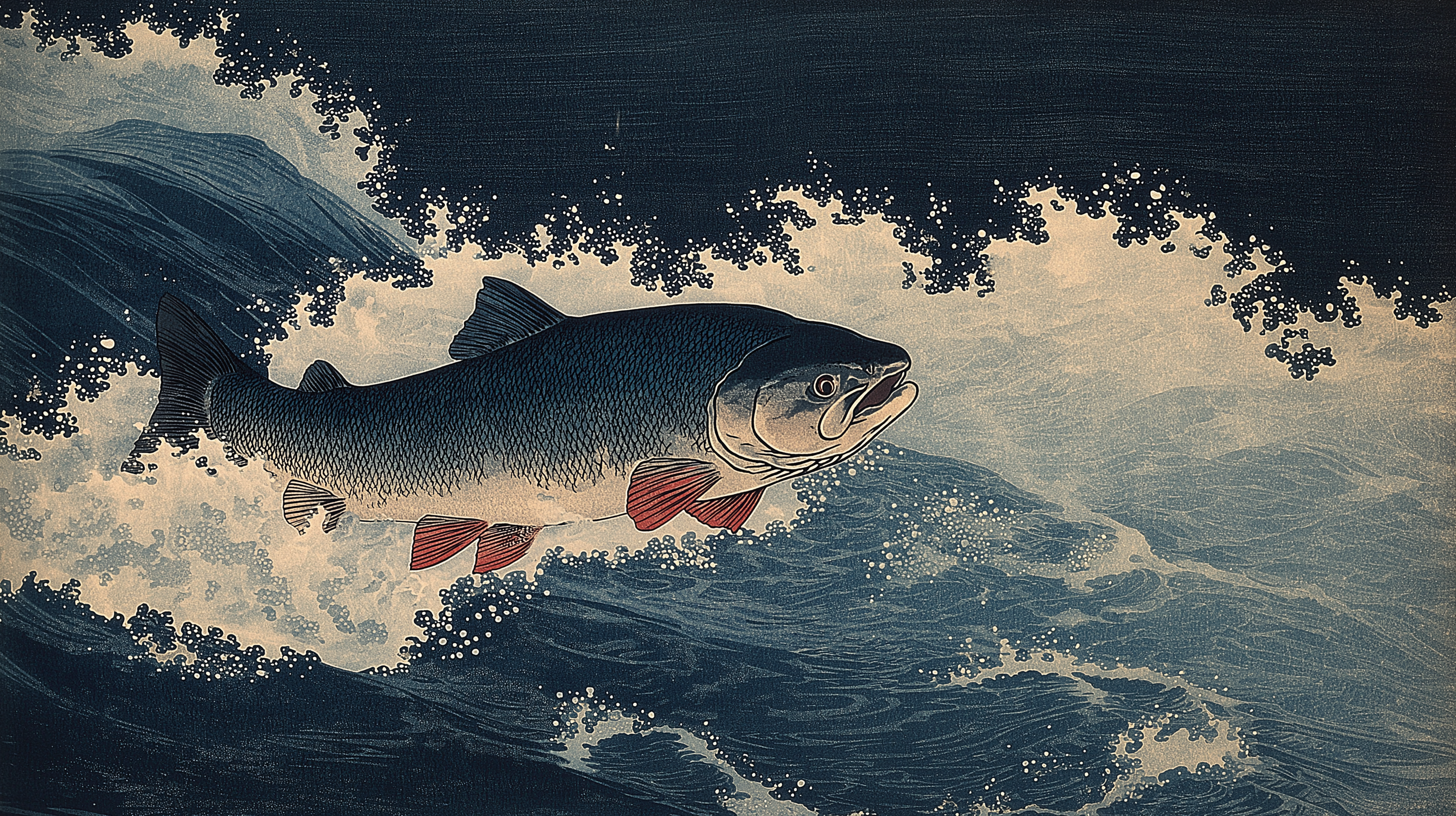
21. Sekki: Greater Snow (Dec. 7-21 – ‘Taisetsu’ ) / cold sets in, winter begins (Dec. 7-11) / bears hibernate in their dens (Dec. 12-16) / schools of salmon swim upstream (Dec. 17-21)
22. Sekki: Winter Solstice (Dec. 22- Jan. 4 – ‘Tōji’ ) / self-heal are sprouting (Dec. 22-26) / deer shed their antlers (Dec. 27-31) / wheat sprouting under the snow (Jan. 1-4)
23. Sekki: Lesser Cold (Jan. 5-19 – ‘Shōkan’ ) / parsley is growing (Jan.5-9) / frozen springs flowing again (Jan. 10-14) / pheasants are calling (Jan. 15-19)
24. Sekki: Greater Cold (Jan. 20-Feb. 3 – ‘Daikan’ ) / butterbur plants are budding (Jan. 20-24) / mountain springs begin to freeze (Jan.25-29) / hens start to lay eggs (Jan. 30-Feb. 3)